
Growing minds
Brain Growth in the Early Years
How everyday play, movement, conversation and caring relationships help build strong foundations in a young child’s brain.
 Article by Woroud Aziz•4 minute read•Golden Hearts Journal
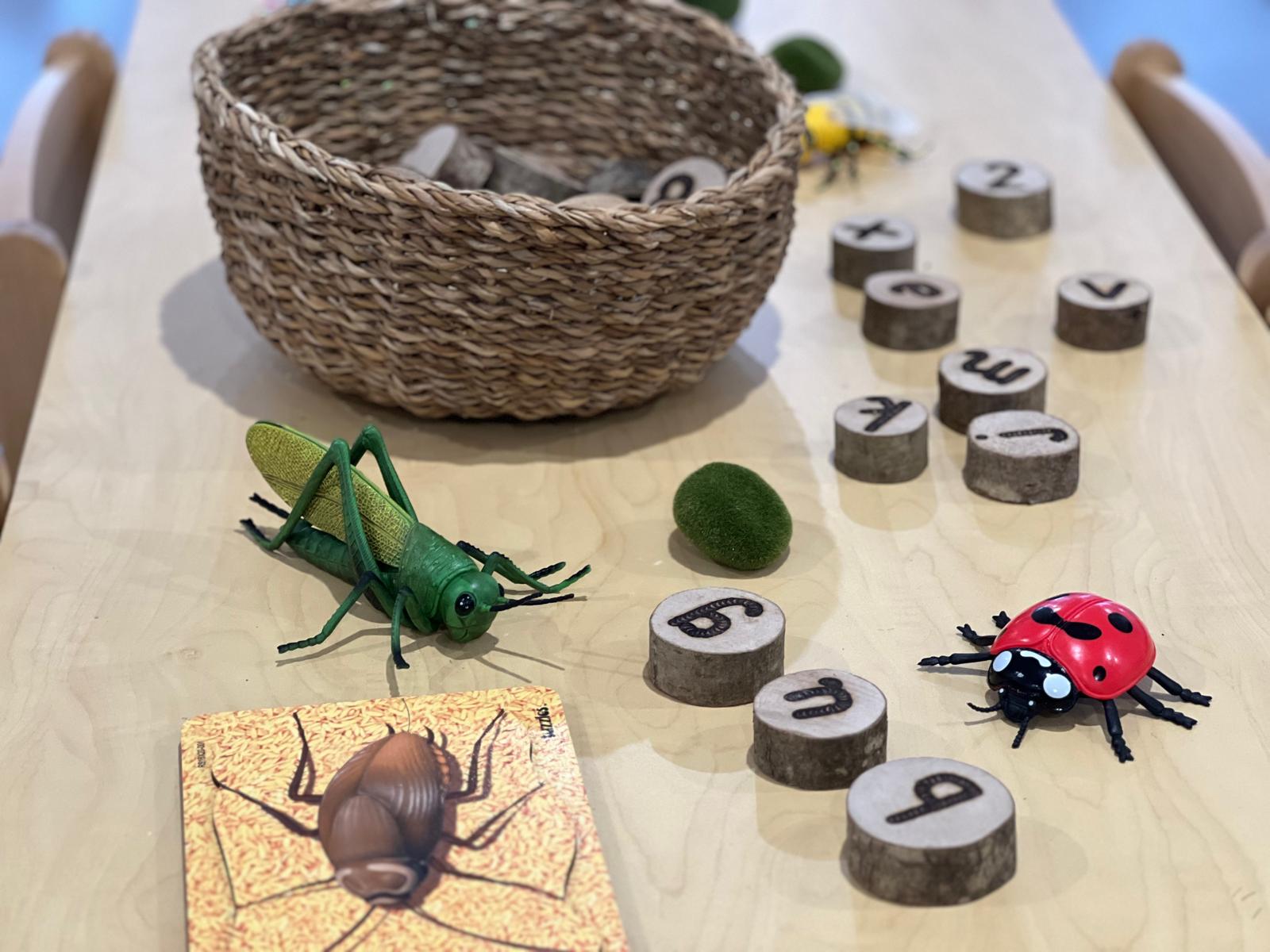
Brain growth in the early years does not happen only during planned lessons. It happens when a baby hears a familiar voice, when a toddler points at a bird and an adult looks too, and when two children work together to build a road from wooden blocks.
A young child’s brain is constantly making connections. Experiences that are repeated with warmth and care help those connections become stronger. This is one reason ordinary moments matter so much. Talking, singing, reading, moving, playing and feeling safe all give the developing brain useful work to do.
One of the most powerful tools is a simple back-and-forth interaction. A child smiles, makes a sound, asks a question or shows an object. A caring adult notices and responds. The child responds again. This little exchange may last only seconds, but it supports communication, relationships and early thinking.
Imagine a child holding up a leaf. An adult could say, “You found a tiny leaf. It has little lines on it.” The child might touch the lines, repeat a word or search for another leaf. No worksheet was needed. Attention turned a small discovery into language, science and shared joy.
Play gives children another safe way to build their brains. When children pretend, they practise ideas about the world. When they stack, pour, sort and fit objects together, they explore shape, balance, cause and effect. When a plan does not work, they learn to pause, change direction and try again.
Movement matters too. Climbing, crawling, dancing and carrying objects help children understand their bodies and surroundings. These experiences support coordination and confidence. They also remind us that young children do not need to sit still to learn. Often, their best thinking is happening while their whole body is involved.
Strong brain growth also depends on feeling safe. A child who trusts the adults around them has a secure base for exploring. They know someone will help when things become difficult. Warm, reliable relationships do not remove every frustration, but they help children recover and return to learning.
There is no need to turn every moment into a lesson. In fact, children need time to wonder, repeat favourite games and lead their own play. Educators add value by observing carefully, asking thoughtful questions and offering materials that extend an interest without taking it over.
Families are already doing brain-building work every day. Talking during a car ride, naming vegetables at the shops, singing while getting dressed or listening to a long story about a cardboard box all count. The child does not need expensive equipment. They need time, attention and chances to participate.
At Golden Hearts Childcare & Kindergarten, educators plan play-based experiences around what children notice, enjoy and need next. They work with families so learning feels connected rather than separate.
A growing brain is not a container waiting to be filled. It is active, curious and shaped through relationships. Every caring reply, shared laugh, repeated song and patient second try helps build the foundation for learning, confidence and wellbeing.
See learning in action.
Visit Golden Hearts in Crestmead and discover how everyday moments become meaningful learning.