
Child Safety & Wellbeing
Safety begins with trust, attention and care.
Children need to feel secure before they can confidently play, connect and learn. At Golden Hearts, child safety is considered through the environments we create, the relationships we build and the everyday decisions made around each child's wellbeing, dignity and individual needs.
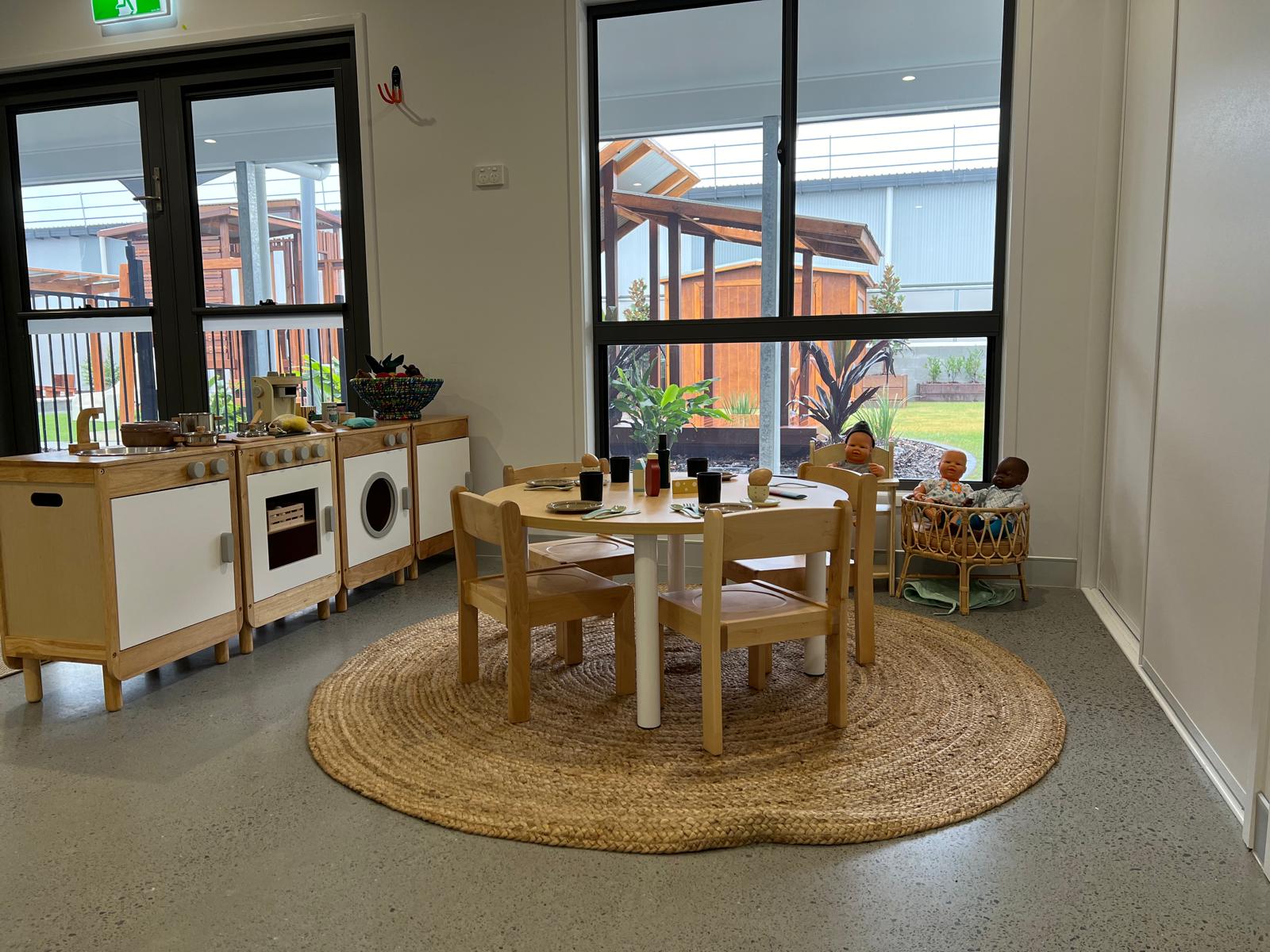
Our commitment
Every child has the right to feel safe, heard and respected.
We aim to create environments where children feel secure, are treated with dignity, and know that discomfort or distress will be noticed and responded to. That means listening — to words, but also to behaviour, body language and the small signals children give before they can fully explain how they feel.
Every family and every child is welcomed here, regardless of background.
In everyday practice
Safety is part of the everyday.
Thoughtful supervision
Educators position themselves with intention, so children are genuinely within sight and reach at all times.
Secure sign-in and collection
Children are signed in and out each day, and only released to parents, guardians or nominated authorised persons.
Age-appropriate everything
Equipment, materials and activities are matched to the children using them.
Calm, consistent routines
Predictability helps children feel secure enough to explore.
Respectful interactions
How educators speak to children matters as much as what they do.
Open communication with families
Concerns and observations are shared honestly, in both directions.
Active supervision
Present, attentive and aware.
Active supervision means educators are genuinely watching, not simply present. It means positioning themselves where they can see and reach children, adjusting attention as activities and groups change, and communicating with each other so nothing falls through a gap between two adults who each assumed the other was watching.
Every centre operates under Queensland's Education and Care Services National Law and National Regulations, which set minimum requirements for educator-to-child ratios and supervision at every centre.
Safety & security
CCTV surveillance
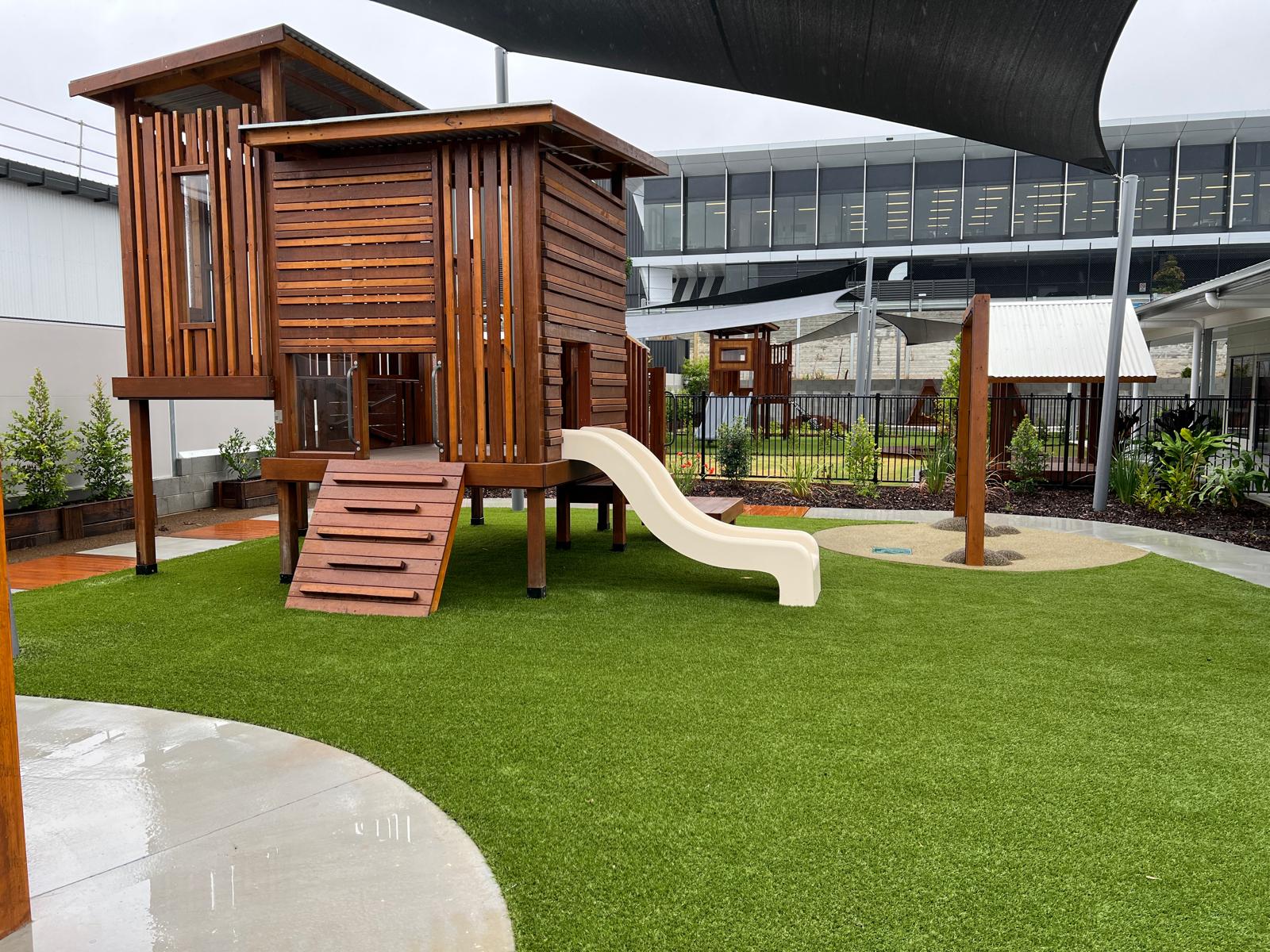
Golden Hearts Childcare & Kindergarten uses CCTV surveillance in designated indoor and outdoor areas to support the safety, security and wellbeing of children, families, educators and visitors. CCTV footage is securely managed and access is restricted to authorised persons in accordance with our policies and applicable privacy and education and care requirements. CCTV does not replace active supervision by educators.
Arrival and collection
Clear arrivals. Safe departures.
Every family should know exactly how signing in and out works, who is authorised to collect their child, and what happens if those arrangements need to change on a given day.
- Children are signed in and out at arrival and collection
- Only parents, guardians or nominated authorised persons may collect a child
- Changes to authorised collection persons are confirmed directly with the centre
Emotional safety
Children should feel safe to be themselves.
Emotional safety means being spoken to with respect, comforted when distressed, and supported — not rushed — through transitions like drop-off, changing rooms, or a hard day. It means a child's boundaries are noticed and respected, not overridden for convenience.
Children's voices
Listening is part of protecting children.
Children communicate comfort, concern and preference in many ways — not always with words.
- Spoken communication
- Behavioural cues and body language
- Changes in participation
- Age-appropriate choices
- Respect for personal boundaries
Responsibility for a child's safety sits with the adults and the organisation around them, always — never with the child.
Educators & professional responsibility
Trust is supported by professional responsibility.
Child-safe practice depends on who we recruit, how clearly conduct is expected, and how seriously concerns are taken when they're raised.
All educators are required to hold a current Working with Children Check (Blue Card) before working with children, as required under Queensland law.
Educators hold recognised early childhood qualifications and complete required child protection and mandatory reporting training.
Concerns can be raised directly with the centre team at any time — see the section below for how to get in touch.
Photography & privacy
Respecting children's images and information.
Photographs, videos and personal information are handled with care and only used with parent or guardian permission. Families' choices about their child's image are respected consistently, and personal information is kept secure and confidential.
Health & daily wellbeing
Individual needs matter.
Medical information, allergies, dietary needs and day-to-day changes in a child's wellbeing are treated individually, in conversation with families — not as a form filled in once and forgotten.
Read our family guidanceWhen something needs attention
Clear communication when concerns arise.
Families should always know who to speak to, how a concern will be handled, and how they'll be kept informed.
- Raising a concernSpeak directly with your centre team, or reach us through our Contact page
- Incident communicationFamilies are informed directly by the centre when something relevant to their child occurs
- General contactinfo@goldenheartschildcare.com
"Is this in the best interest of the child?"
This question guides how we consider children's safety, wellbeing, dignity, relationships and learning. It asks us to pause, reflect, and place the child at the centre of every important decision — not as a slogan, but as a habit.
Have a question about your child's safety or wellbeing?
Speak with your preferred Golden Hearts centre about your child's individual needs, routines or any concerns you'd like us to understand before they begin.