
Feelings · Connection · Everyday care
Helping Young Children Find a Good Mood
A good mood does not mean smiling all day. It grows from feeling safe, rested, understood and ready for what comes next.
 Article by Woroud Aziz
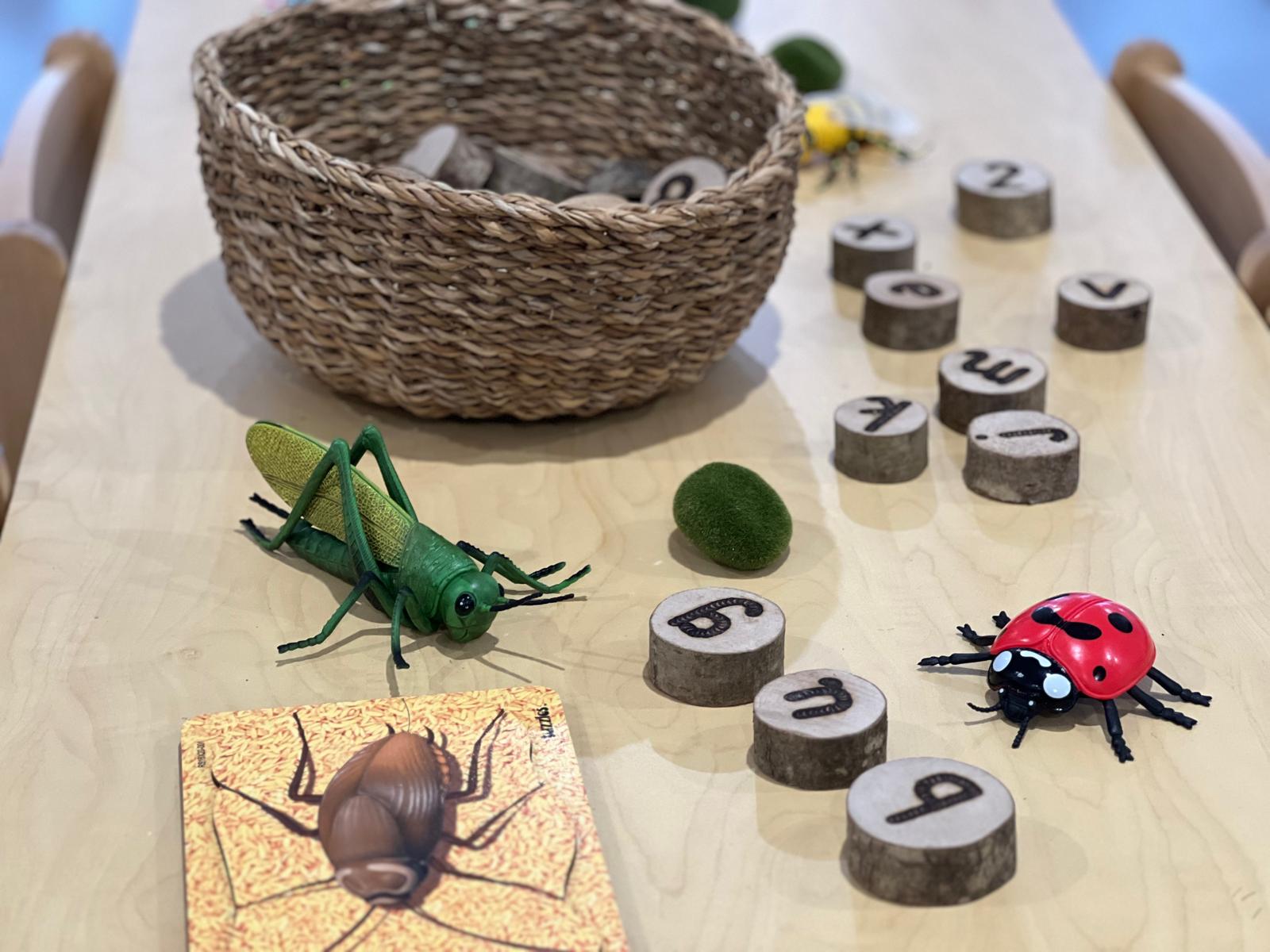
A good mood in young children often starts with very ordinary things: enough rest, something nourishing to eat, time to move and a trusted adult nearby. These simple supports help children feel steady enough to play, learn and connect with others.
Children do not need to feel happy all the time
Young children move through many feelings in one day. They can be excited in the morning, cross about sharing a toy five minutes later and then completely absorbed in a game. This is normal. A good mood is not a rule that says children must always be cheerful.
What matters is that children feel safe expressing themselves and know an adult will help them through hard moments. When we accept sadness, worry, anger and tiredness without shame, children slowly learn that feelings come and go.
Connection comes first
A warm relationship can change the feeling of a whole day. Eye contact, a calm voice and a few minutes of unhurried attention tell a child, “You matter, and I am here.” That sense of connection helps the body settle.
Connection does not need to be complicated. It might be a cuddle before childcare, singing together in the car or sitting nearby while your child builds a tower. Small moments, repeated often, help children feel secure.
Rest, food and water make a real difference
Sometimes a difficult mood has a simple cause. Hunger, thirst and tiredness can make everyday challenges feel much bigger. A regular rhythm of meals, snacks, water and rest gives a young child’s body the fuel it needs.
Sleep needs are different for every child. Some children still nap, while others recharge through a quiet story or peaceful activity. The aim is not a perfect schedule. It is noticing your child’s signals and offering a calmer pace when they need it.
Movement can help feelings shift
Young children are made to move. Running, climbing, dancing, digging and stretching can release built-up energy and help them return to calm. Outdoor play can be especially helpful because it offers fresh air, space and new things to notice.
Movement does not have to be organised exercise. A walk to the letterbox, a dance in the kitchen or a game of animal walks can be enough to reset the moment.
Predictable routines help children feel secure
Children cope better when the day has a familiar shape. Simple routines around waking, meals, leaving home and bedtime reduce the number of surprises their brains must manage. They also make transitions easier.
It helps to give short, clear warnings: “After this book, we will put on our shoes,” or “Two more turns, then it is time to pack away.” Keeping your words calm and following through kindly builds trust.
Name the feeling without trying to fix it quickly
When a child is upset, we often want to make the feeling disappear. But children first need to know they have been understood. A simple sentence such as, “You are disappointed because playtime finished,” can help more than a long explanation.
Once the big feeling has softened, you can offer a next step. This might be a drink of water, a quiet corner, a cuddle or help finding the words to solve a problem.
Small things families can try
- Begin the day with a warm greeting and a little connection.
- Offer regular water, meals and simple snacks.
- Build active play and quiet time into the day.
- Give calm warnings before changing activities.
- Name feelings in simple words without judging them.
- Lower noise and expectations when your child looks tired.
How Golden Hearts supports emotional wellbeing
At Golden Hearts Childcare & Kindergarten, educators build warm, respectful relationships with every child. We create predictable routines, make room for active play and quiet moments, and help children name what they are feeling.
We do not expect children to be happy every minute. We stay close, listen and guide them through the ups and downs of the day. Over time, these caring experiences help children feel confident, connected and ready to learn.
If changes in your child’s mood are strong, ongoing or affecting daily life, speak with your GP or child health professional for advice suited to your family.
About the author
Woroud Aziz
Woroud shares clear, practical ideas that help families understand and support young children.
Come and say hello
See how we care for every feeling.
Visit Golden Hearts, meet our educators and explore our warm learning spaces.